More than 80 countries fortify flour, yet the public health impact of this intervention on iron and anemia outcomes has not been reviewed. The objective of this systematic review was to review published and gray literature pertaining to the impact of flour fortification on iron and anemia.
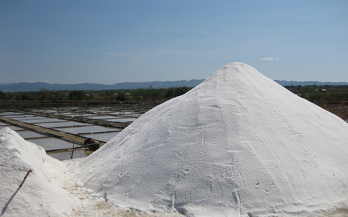
Universal salt iodization is the main global strategy to eliminate iodine deficiency. The purpose of this study was to develop program guidance around iodine in bouillon, iodine retention in 13 bouillon brands commercially available in Senegal was measured over 6 months.
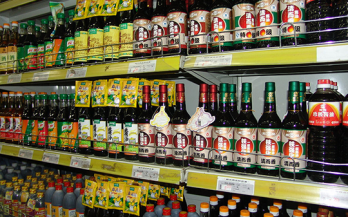
The objective of this study was to assess the effect of sodium iron ethylenediaminetetraacetate (NaFeEDTA)-fortified soy sauce on anemia prevalence in the Chinese population.
The objective of this study was to assess whether improving iron intake with double fortified salt would improve food intake, resulting in higher energy, nutrient intakes, and weight indicators of female tea plantation workers.
Large-scale food fortification (LSFF) of commonly consumed food vehicles is widely implemented in low- and middle-income countries. Many programs have monitoring information gaps and most countries fail to assess program coverage. The aim of this work was to present LSFF coverage survey findings from programs conducted in 8 countries between 2013 and 2015.
Food fortification is a cost-effective approach to prevent and control of micronutrient deficiencies in India. This study was conducted to assess the coverage of adequately iodized salt and the potential for rice fortification.
The need for evidence to inform nutrition program design and implementation has long been recognized, yet the generation and use of evidence for program decision making has lagged. The purpose of this study was to assess the strengths and areas for improvement of current population-based and targeted fortification programs.
The purpose of this study aimed to assess existing coverage and utilization of micronutrient powders (MNPs), fortified staples, and iodized salt among children aged 6 to 23 months prior to implementation of an MNP program.
This paper summarizes the discussions and priority research areas for the forthcoming years on the industrial and regulatory technical considerations in rice fortification. It also covers considerations for implementing it as a public health strategy and assuring equitable access and universal coverage, were reviewed in this consultation.
Two billion people worldwide have micronutrient deficiencies. Food fortification is a proven intervention to increase essential micronutrient availability in diets without requiring consumer behavioral change. This study examines a pilot project in Brazil testing a model to scale up rice fortification through commercial channels.