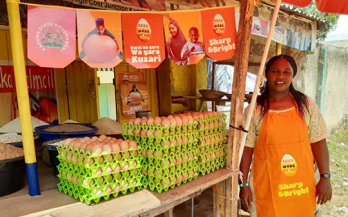
Eggs are a widely available and affordable source of protein, vitamins, and minerals that support growth and development, yet they are not frequently fed to children in Kaduna. The ‘Eggs Make Kids’ campaign was launched by GAIN on World Egg Day in October 2019. Using commercial marketing techniques and insights into consumer behaviour, it aims to create demand for eggs as a nutritious food for children aged six months to five years.
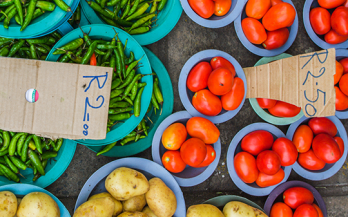
In countries where the Global Alliance for Improved Nutrition (GAIN) main offices are located, tomatoes vary in abundance - with the average supply from approximately one tenth of a medium-sized (60g) tomato per person per week in Ethiopia, to four medium-sized tomatoes per person per week in India, and up to 12 medium-sized tomatoes per person per week in the US.
Based on an external assessment, this working paper summarises PLAN’s work in Nigeria (N-PLAN) and Indonesia (I-PLAN), impacts to date, and key learnings. The assessment indicated that PLAN has helped create influential networks, allowing diverse stakeholders to work together to address common issues related to post-harvest loss.
This report includes the findings of two reviews: one focused on hazard occurrence in foods consumed in Nigeria, and the other on beverages (alcoholic and non-alcoholic).
EatSafe conducted a systematic search and review process 87 published studies on the perspectives and practices of consumers and vendors vis-à-vis food safety in Nigeria.
This global scoping review aims to understand which perception and practice interventions may be effective in changing consumer behaviour, knowledge, attitudes, beliefs and perceptions on food safety.
This report presents stories from top practitioners in the field of Social and Behavior Change Communication (SBCC) media worldwide in order to uncover the nuances of program development that can guide more effective EatSafe SBCC media productions and help implement more sustainable programmes.
This review covers indicators for public health, demand, supply, and enabling environments relevant to food safety considerations.
To understand how both food vendors and consumers conceptualize food safety, and how knowledge and beliefs are reflected in practices and social interactions, EatSafe conducted scoping reviews on consumer (Part 1) and vendor (Part 2) perceptions of food safety.
This report provides an overview of the pathways that link food safety and nutrition, and their shared impacts on health. It highlights research gaps and opportunities for intervention in support of Feed the Future and EatSafe programming.